
Railway container transport refers to the use of international standards (or national standards) of containers, through rail transport. In order to encourage the use of containers, four priority principles are generally applied: priority management, priority allocation, priority arrival and priority loading, and they are not subject to stopping and loading restrictions. Railway container transportation is an advanced mode of transportation, which has the advantages of safety, rapidity and simplicity. At the same time, it can save packaging costs, facilitate multimodal transport, realize door-to-door transport, and facilitate the modernization of transport management. Therefore, container transportation goods are sent quickly and arrived quickly, which are welcomed by customers.
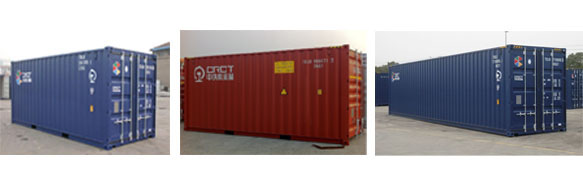
Containerized goods: General purpose containers mainly carry valuable, fragile and damp-proof goods, such as household appliances, instruments, instruments, small machinery, glass and ceramics, building materials, handicrafts, cultural and sports goods, medicine, cigarettes, wine, food, daily necessities, chemical products, needle textiles, hardware and other goods suitable for container transportation.
The following goods can not be transported in containers: goods that are easy to pollute and corrode, goods that are easy to damage, fresh goods and dangerous goods.
 Hi! Webcome to Shenzhen Herun Human Resources co, Ltd's Website!

 Container transport